
Most problems here trace back to this climate's two defining forces: a freeze-thaw cycle that can repeat daily, and intense, thin-air sun and wind. Diagnosing a heap correctly means recognising which of these is actually at work, and telling a genuinely normal setback apart from something worth fixing.
"My Heap Froze Solid Overnight and Made No Progress"
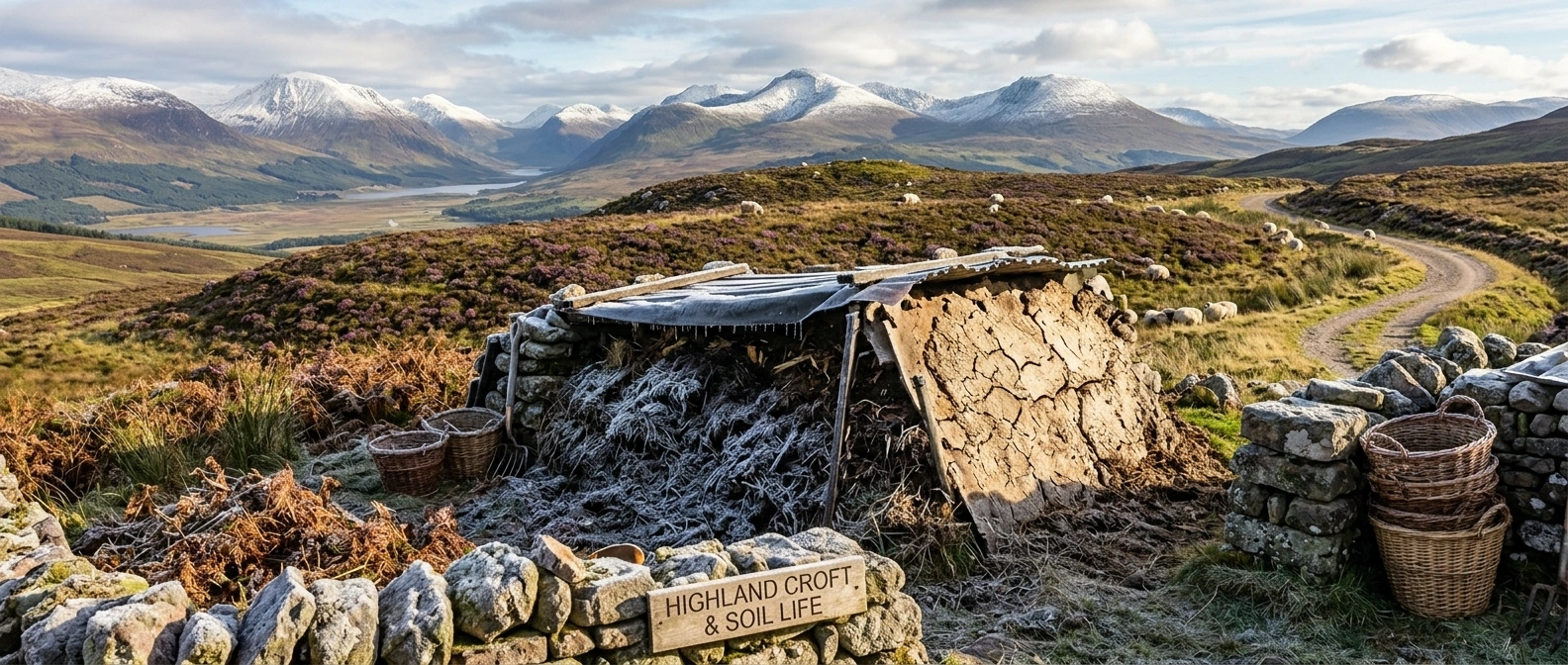
This is close to a normal, expected event in this climate rather than a true failure, in keeping with the honest framing in Chapter 11. Check first that the heap has adequate mass and real shelter, per Chapter 2 and Chapter 3, and add an insulating cover layer if it doesn't already have one. Accept that slow, interrupted progress is realistic here, rather than expecting the heap to power through the cold the way it might in a milder climate.
"The Surface Looks Dried Out and Crusty Despite Cold Nights"
Intense daytime UV and thin-air sun dry exposed material fast even when the ambient temperature isn't high, cold nights and strong midday drying aren't contradictory here. Fix it with the same UV-protection guidance as Chapter 11: a mulch or cover layer over exposed material, and checking moisture more often than the cold alone would suggest is necessary.
"The Heap Seems to Be Losing Material or Structure to Wind"
Signs include parts of the heap visibly disturbed, faster drying on the windward side, or lighter material blown clear away. Fix this by improving the wind shelter around the heap per Chapter 3, and weighting down any covers properly rather than relying on their own weight.
"The Heap Simply Isn't Progressing at All Despite Reasonable Care"
In a climate this harsh, sometimes the honest diagnosis is that the heap is too small or too exposed for the conditions, in keeping with the troubleshooting note in Chapter 4. The fix is concentrating available material into a smaller, better-sheltered heap rather than spreading it thin across too large or too exposed a footprint.
"Wildlife Keeps Disturbing the Heap"
Mountain wildlife foraging for food is a real concern in many alpine regions. Avoid meat and dairy scraps entirely, and secure the structure with the robust construction guidance from Chapter 3, a heap that's genuinely hard to get into is the most reliable defence.
Frequently Asked Questions
My heap froze solid overnight and seems to have made no progress. Has it failed?
Not necessarily, this is close to a normal, expected event in this climate rather than a true failure. Check that the heap has adequate mass and real shelter, and add an insulating cover if it doesn't already have one. Slow, interrupted progress punctuated by hard overnight freezes is realistic here, rather than the steady advance a heap might make through the cold in a milder climate.
Why does the surface of my heap look dried out and crusty even though the nights are cold?
Intense daytime UV and thin, dry air can dry exposed material fast even when the ambient temperature isn't high, since cold air and strong sun aren't mutually exclusive at altitude. Add a mulch or cover layer over exposed material, and check moisture more often than the cold alone would suggest is necessary.
What if my heap simply isn't progressing at all despite reasonable care?
In a climate this harsh, sometimes the honest diagnosis is that the heap is too small or too exposed for the conditions. The fix is concentrating whatever material is available into a smaller, better-sheltered heap rather than spreading it thin across a larger, more exposed one.