
Knowing when compost is genuinely ready matters everywhere, but in a climate with a brief growing window and often a genuinely modest harvest of finished compost, how it's used matters just as much as when.
Knowing When It's Genuinely Ready
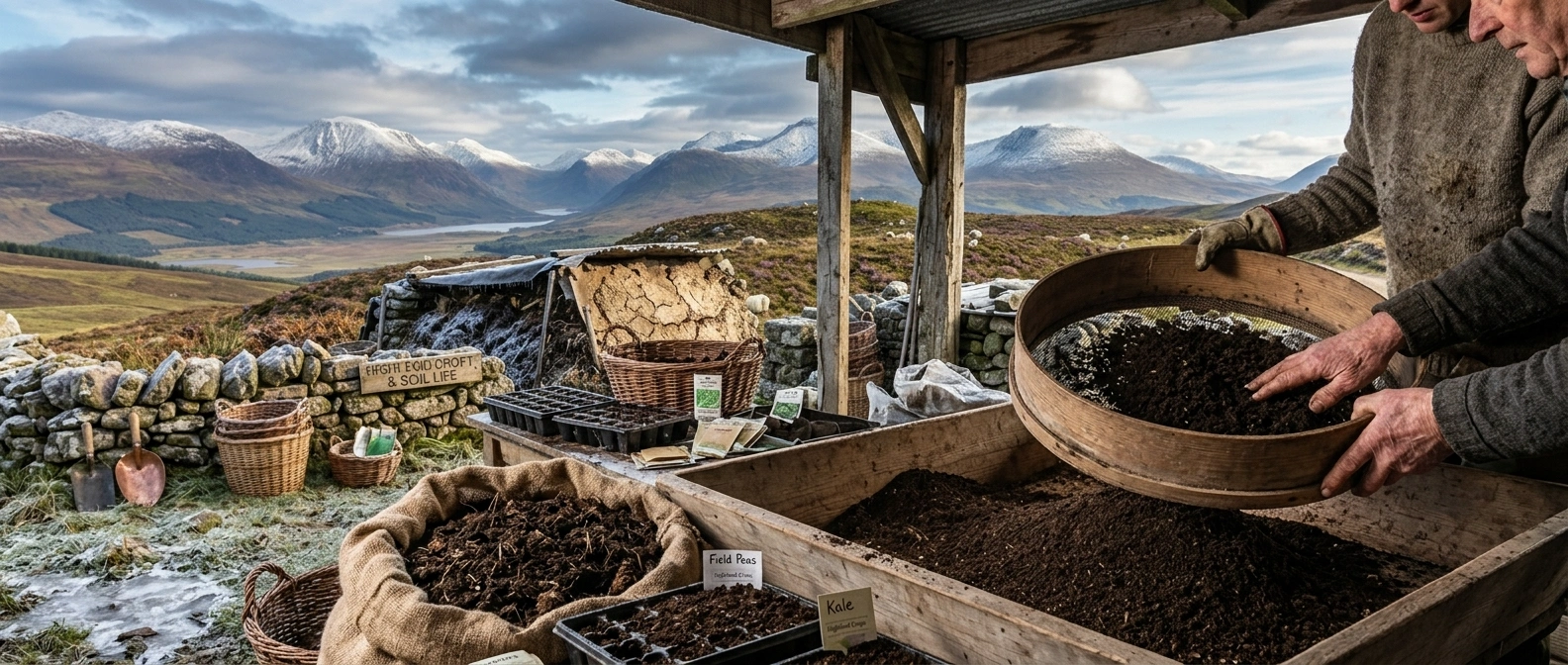
Finished compost is dark, crumbly, smells earthy rather than sour or ammonia-like, and the original materials are no longer recognisable. But the slow, interrupted decomposition covered honestly in Chapter 11 can mean a batch here looks less fully broken down than the same material would in a warmer climate, even when it's as finished as it's realistically going to get. Judge readiness by genuine stability and a lack of continued heating when the pile is turned or checked, not by visual perfection alone.
Apply Promptly, the Window Is Brief
Once the ground is workable at the start of the short season, there's little time to spare (see Chapter 13 for the seasonal timing this fits into). Have finished compost ready and waiting rather than starting the harvesting process once the season has already begun.
Concentrate It Where It Counts
Given how little compost a genuinely harsh climate like this one may produce in a season, concentrate what's available on the highest-value growing areas rather than spreading it thin across everything. A smaller, properly-fed bed will out-produce a larger one fed too lightly to make a real difference.
An Unfinished Batch Is Better Left Alone
If a batch doesn't fully finish before the season closes, leave it protected and let it finish the following year rather than applying it half-finished. Immature compost can actively compete with plants for nitrogen as it continues to break down in the soil, which does more harm than good given how short this growing window already is.
Sieve Fine Compost for Seed-Starting
Sieving finished compost for a fine seed-starting mix is genuinely valuable here, given how much value there is in starting plants early indoors or under cover ahead of such a short outdoor season. A fine, screened mix gives seedlings the best possible head start before they ever meet the mountain's own soil and climate.
Frequently Asked Questions
How do I know when alpine compost is actually ready to use?
Dark, crumbly, earthy-smelling, with the original materials no longer recognisable. But this climate's slow, interrupted decomposition can mean the material looks less fully broken down than it would in a warmer climate even when it's as finished as it's going to get in a reasonable time, so judge by genuine stability and a lack of continued heating rather than visual perfection alone.
Should I spread a small batch of compost thinly across the whole growing area?
No, concentrate limited compost on the highest-value growing areas rather than spreading it thin. Given how little may be produced in a genuinely harsh climate like this one, a smaller area fed properly does more good than a larger area fed too lightly to make a real difference.
What if a batch hasn't fully finished before the season closes?
Leave it protected and let it finish the following year rather than applying it half-finished. Immature compost can actively compete with plants for nitrogen as it continues breaking down, which does more harm than good in a growing window this short.