
This is the closing chapter of the Subtropical guide, and it also closes the entire 8-zone composting section of this site. The big picture here starts with the ground itself: much of this climate zone sits on soil that needs real, sustained help, and ends with a principle that, it turns out, has held true in every one of the seven climates that came before this one too.
Sandy Soil, Held Poorly on Its Own
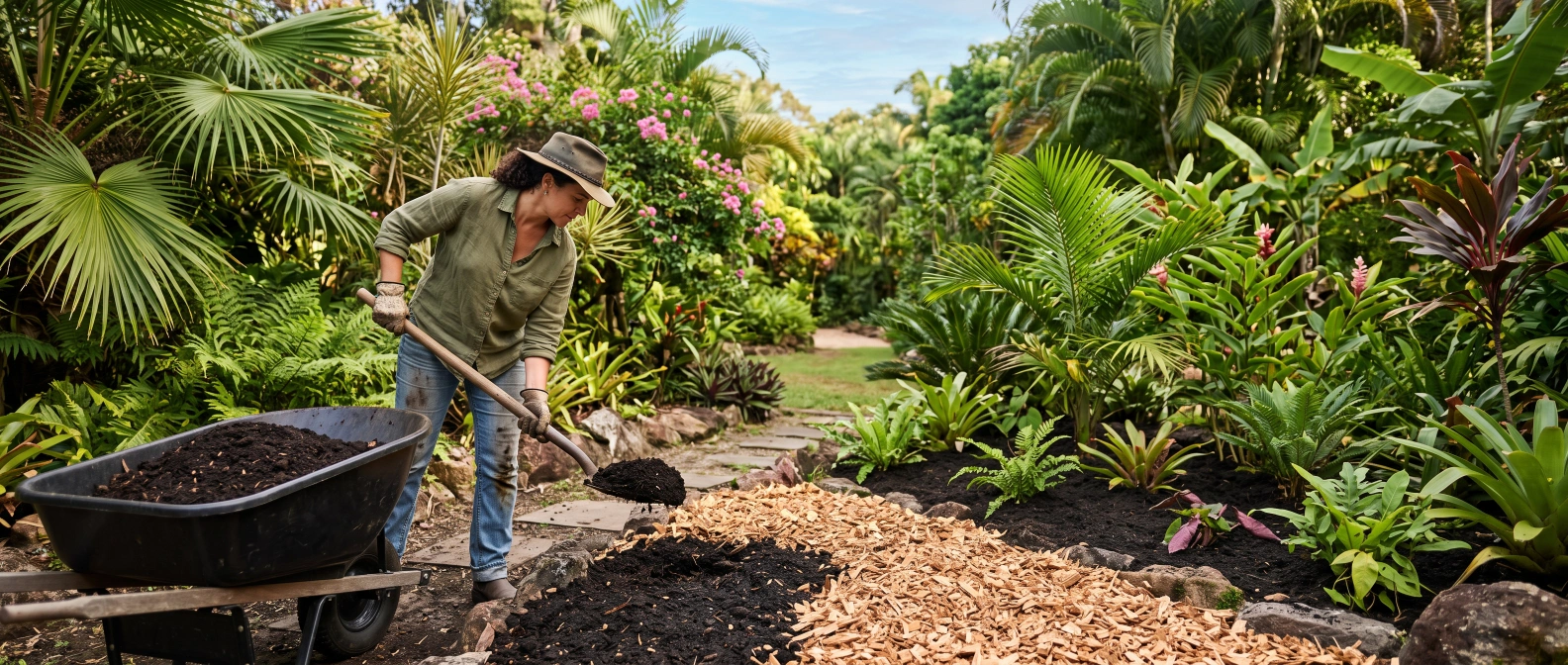
Much of this zone sits on sandy, free-draining coastal plain soil that holds water and nutrients poorly on its own, a limitation already raised in Chapter 9's biochar chapter. Left alone, that kind of ground lets both moisture and fertility drain away almost as fast as they arrive. Consistent, well-protected composting, genuinely responsive to this climate's episodic rainfall rather than fighting it, is one of the most practical ways to build real, lasting water-holding and nutrient-holding capacity into that soil over years, not overnight, but reliably.
Diversity of Inputs Builds Real Structure
No single input does everything on its own. Citrus and palm waste from Chapter 6, biochar from Chapter 9, chop-and-drop green manures from Chapter 12, and everyday humanure and kitchen scraps all feed into soil biology and structure in different ways. Bringing several of these together consistently, season after season, is what actually builds lasting capacity into ground that starts out holding very little on its own.
The Closing Principle: Responsiveness
This zone's whole character, hot and fast but genuinely variable in its water supply, rewards a grower who pays attention and responds to real conditions rather than following a rigid seasonal script the way a sharply-seasonal climate demands. Consistent composting here doesn't mean marking a calendar and sticking to it regardless of the weather, it means consistently reading the heap and the sky together, watering when a dry stretch runs long, checking drainage before a storm arrives, and letting the actual conditions guide the work.
A Closing Reflection
This chapter closes the last of eight climate zones this guide set out to cover, and it's worth stepping back to see what's actually held constant across all of them. From the driest deserts to the wettest tropics, from the coldest boreal winters to the highest mountain ground, and now to this genuinely two-sided subtropical climate that swings between both extremes within the same year, the same underlying truth has held in every one.
Consistent, well-adapted composting, however it has to be done in each specific place, is one of the most powerful tools a household has for building real, lasting food security into the ground itself, wherever that ground happens to be. The methods change from zone to zone, but that underlying principle hasn't, and it's the one thing worth carrying forward from every chapter in this entire guide.
Frequently Asked Questions
Why does soil-building matter so much in this particular climate?
Because much of this zone sits on sandy, free-draining coastal plain soil that holds water and nutrients poorly on its own. Consistent, well-protected composting, genuinely responsive to this climate's episodic rainfall rather than fighting it, is one of the most practical ways to build real, lasting water-holding and nutrient-holding capacity into that kind of soil over years.
What range of inputs actually helps build that kind of soil over time?
Diversity of inputs matters here too. Citrus and palm waste, biochar, chop-and-drop green manures, humanure and everyday kitchen scraps all feed into soil biology and structure in different ways, and no single input does everything on its own. Bringing several of them together consistently, over years rather than one big effort, is what actually builds lasting capacity into sandy ground.
What's the single closing principle for composting in this climate?
Responsiveness. This zone's whole character, hot and fast but genuinely variable in its water supply, rewards a grower who pays attention and responds to real conditions rather than following a rigid seasonal script the way a sharply-seasonal climate demands. Consistent composting here means consistently reading the heap and the weather together, not just marking a calendar.