
Tomato is one of the easiest crops for home seed savers. It self-pollinates reliably, meaning different varieties can grow side by side without crossing, and the seed extraction process is straightforward. Learn about tomato's pollination method, crossing risks, isolation distances, and step-by-step seed-saving techniques below.
New to terms like isolation distance or outcrossing? See the Seed-Saving Glossary.
Seed-Saving Difficulty
How It's Pollinated
Mostly self-pollinating (some insect/wind assistance)
(Low crossing risk)
Scientific name: Solanum lycopersicum
Domestic Crops It Can Cross With
- Other tomato varieties (very low outcrossing risk)
Wild Relatives & Feral Species
Common wild relatives:
- Wild tomato species (Solanum species) - rare in cultivation
⚠️ Check your local area for wild relatives before saving seed - they are the main crossing risk for many crops.
Separation Distances Required
Minimum isolation: None required (self-fertile)
Recommended: None strictly necessary
Strict (guaranteed pure seed): None
Zone notes: All zones - tomato is not dependent on isolation for true seed
Seed-Saving Strategies
- Save seed from fully ripe, disease-free fruits
- Ferment seeds in water for 3 days to remove germination-inhibiting gel
- Dry completely before storing
- Different varieties rarely cross unless bees are extremely active
Why Tomato is One of the Easiest Seeds to Save
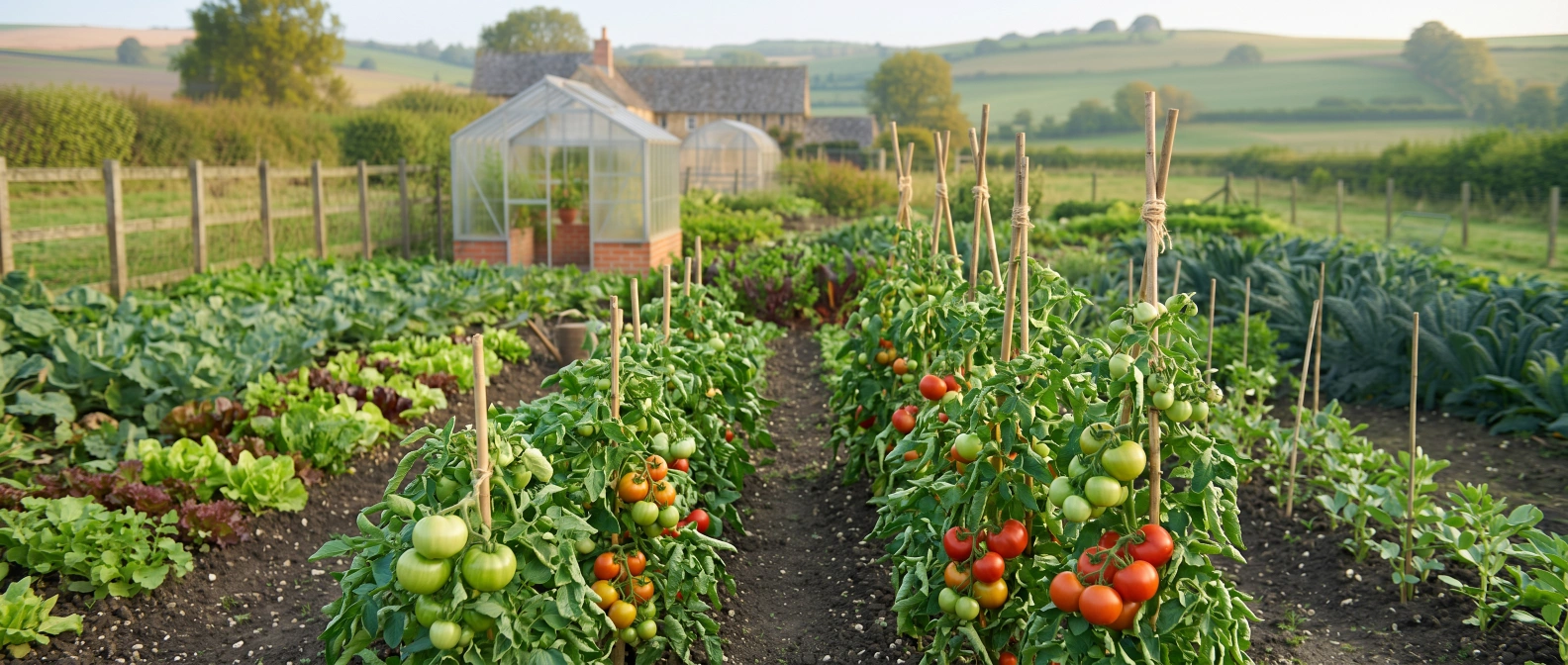
Tomato is an ideal crop for beginning seed savers. It self-pollinates reliably, so different varieties can grow side by side without crossing. The seed fermentation process is straightforward, and properly dried tomato seeds store well for multiple years. You can grow several tomato varieties and save seed from each without any isolation distance or complicated techniques.