
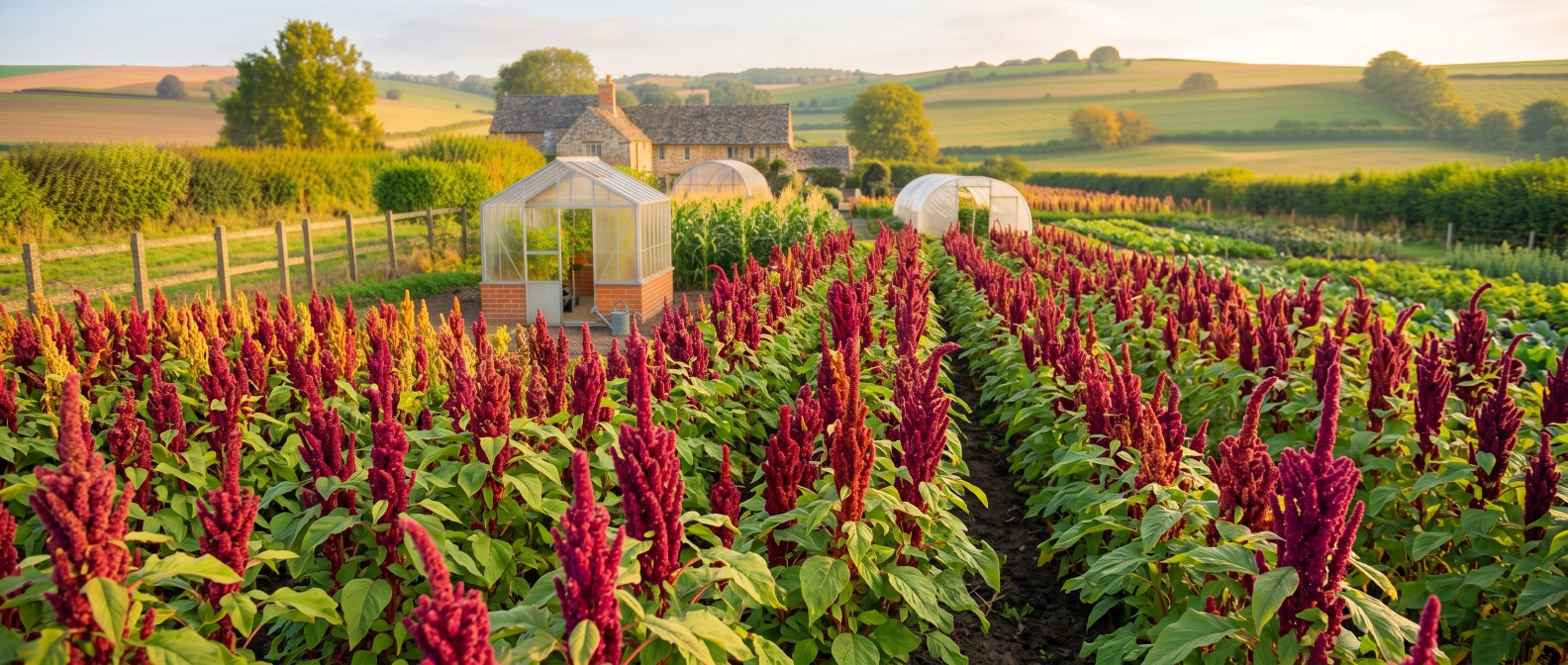
Amaranth is wind-pollinated and outcrosses readily, and its biggest crossing risk isn't another cultivated variety -- it's the weedy pigweed relatives that grow wild in almost every garden and farm. Left unchecked, they can quietly cross with your crop before you notice they're there.
New to terms like isolation distance or outcrossing? See the Seed-Saving Glossary.
Seed-Saving Difficulty
●
Difficult
High crossing risk
How It's Pollinated
Wind-pollinated (high outcrossing)
(High crossing risk)
Scientific name: Amaranthus spp.
Domestic Crops It Can Cross With
- Other amaranth varieties and species flowering nearby
- Leaf amaranth and stalk amaranth -- grown for their leaves and stems rather than grain, but usually the same or closely related Amaranthus species and will cross with grain amaranth
Wild Relatives & Feral Species
- Weedy pigweed relatives (redroot pigweed, etc.) are extremely common and cross readily with cultivated amaranth -- a major, often-overlooked risk
- Check for volunteer pigweed in and around the garden before flowering
Separation Distances Required
Minimum: 300m between varieties
Recommended: 500m+ for reliable purity
Strict: Bag seed heads before flowering for guaranteed purity
Seed-Saving Strategies
- Rogue out any weedy pigweed relatives before they flower
- Allow seed heads to dry fully and turn brittle
- Rub heads over a sheet to release the tiny seeds
- Winnow thoroughly -- seed is very fine
- Store dry -- viable 4-5 years