
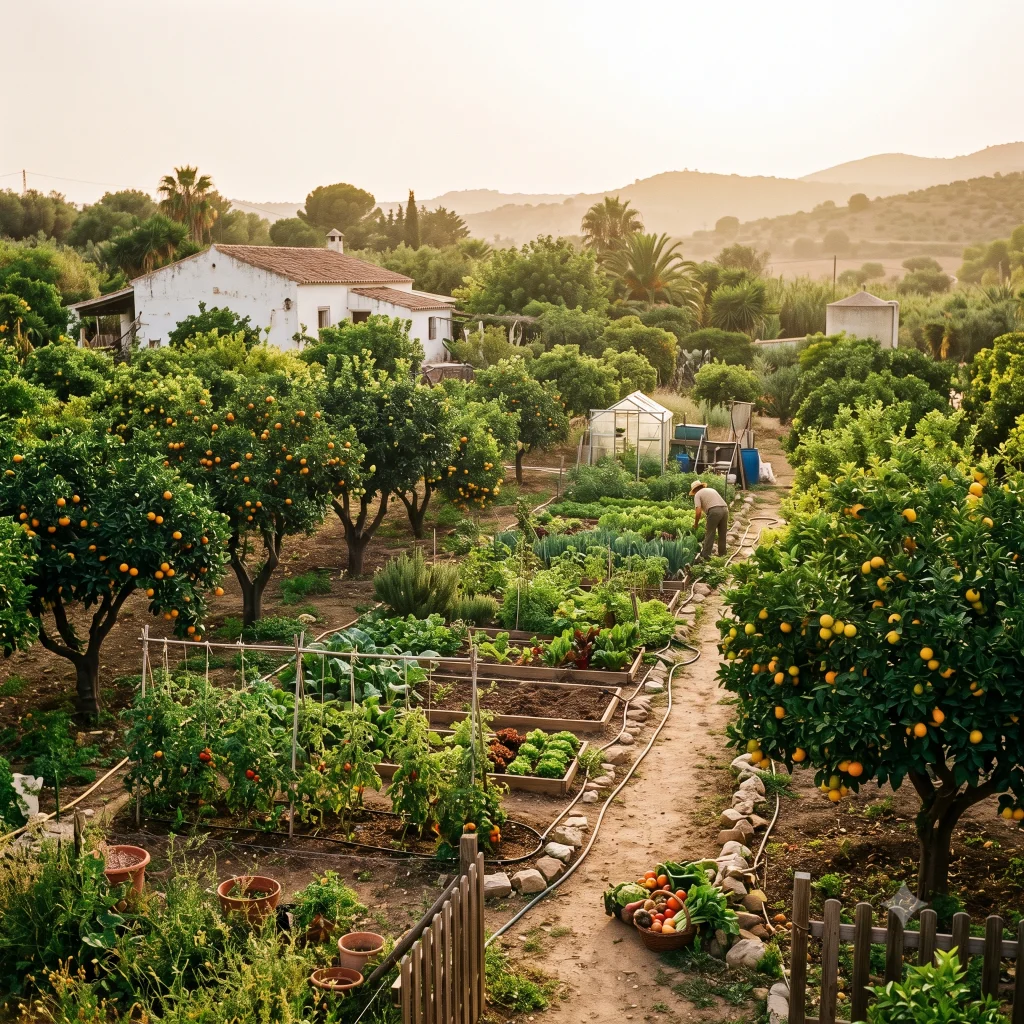
Best bets: sweet potato, chilli, peanut, aubergine, sweet corn and squash. A subtropical zone (Southern USA, N. Australia, S. China, the Mediterranean fringe) offers a genuinely long 9-11 month growing season with mild winters -- enough warmth to suit heat-loving crops that struggle further north or south, with just enough of a cooler season to work in some temperate crops too.
Crops Worth Prioritising
- Sweet Potato -- a reliable calorie staple that makes full use of the long, warm season.
- Chilli -- genuinely needs sustained heat to fruit well, which this zone provides in abundance.
- Peanut -- a long-season crop that needs real warmth throughout its growing period to mature properly.
- Aubergine -- thrives on consistent heat, with little risk of an early cold snap cutting the season short.
- Sweet Corn / Maize -- benefits from the long window to reach full maturity and good yield.
- Squash -- both summer and winter types have ample season length to fully develop.
Frequently Asked Questions
What are the best crops to grow in a subtropical climate?
Sweet potato, chilli, peanut, aubergine, sweet corn and squash all perform genuinely well in a subtropical climate -- the long 9-11 month growing season and mild winters suit heat-loving crops that would struggle in a shorter, colder zone, while still allowing enough of a cool season for some temperate crops to be worked in too.
How is a subtropical climate different from a tropical one for growing food?
A subtropical zone has real, if mild, seasonal variation -- a cooler winter period, even without hard frost -- whereas a true tropical zone stays warm and humid year-round with far less seasonal change, so subtropical growers can work in some cool-season crops that a tropical grower generally can't, while still getting most of the benefits of a long warm season.
Do subtropical zones still get frost?
Occasionally, but rarely as a defining feature of the climate -- most subtropical zones have mild winters with only occasional light frost at most, which is enough to end a heat-loving crop's season but not severe enough to be the dominant planning constraint the way it is in a temperate or boreal zone.